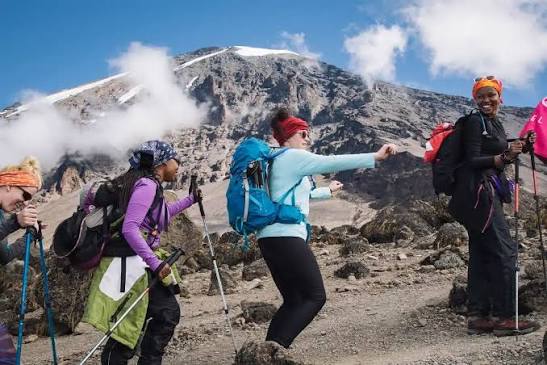
Kilimanjaro Safety Tips Every Climber Should Know
Kilimanjaro Safety Tips Every Climber Should Know
Mount Kilimanjaro is the highest mountain in Africa, rising to an impressive 5,895 meters (19,341 feet) above sea level. Located in northern Tanzania, it is one of the world's most iconic trekking destinations and attracts more than 30,000 climbers from across the globe each year. Reaching Uhuru Peak, the mountain's highest point, is a dream for many adventurers and nature lovers.
Unlike mountains such as Everest, Kilimanjaro is considered a non-technical climb, meaning you don't need ropes, ice axes, or previous mountaineering experience. However, that doesn't mean it should be underestimated. High altitude, rapidly changing weather, physical exhaustion, and inadequate preparation can all pose serious challenges.
The good news is that with proper planning, the right equipment, experienced guides, and a safety-first approach, thousands of climbers successfully reach the summit every year. Whether you're a first-time trekker or an experienced hiker, these essential safety tips will help you prepare for an unforgettable and safe Kilimanjaro adventure.
1. Choose a Licensed and Experienced Tour Operator
Your tour operator plays the biggest role in your safety and overall experience. Since independent climbing is not permitted in Kilimanjaro National Park, every climber must be accompanied by licensed guides.
A reputable company will provide:
Certified and experienced mountain guides
- Well-trained porters and cooks
- Quality camping equipment
- Fresh and nutritious meals
- Portable emergency oxygen
- Comprehensive first aid kits
- Daily health checks
- Emergency evacuation procedures
When researching operators, look for excellent customer reviews, transparent pricing, experienced mountain crews, and a strong commitment to responsible tourism. Avoid choosing a company based solely on the lowest price, as safety standards can vary.
2. Select the Best Route for Your Experience
Mount Kilimanjaro has several official climbing routes, each offering different scenery, difficulty levels, and summit success rates.
Popular routes include:
- Machame Route
- Lemosho Route
- Marangu Route
- Rongai Route
- Northern Circuit Route
- Shira Route
- Umbwe Route
Longer routes generally offer better acclimatization because they allow your body more time to adjust to the altitude. If safety and summit success are your priorities, consider a 7- to 9-day itinerary, especially on routes like Lemosho or the Northern Circuit.
Choosing the right route based on your fitness level, available time, and previous hiking experience can make a significant difference in your overall experience.
3. Understand Altitude Sickness
Altitude sickness is the most common reason climbers fail to reach the summit.
As you climb higher, oxygen levels decrease, making it more difficult for your body to function efficiently. Even healthy and physically fit individuals can experience altitude sickness.
Common symptoms include:
- Persistent headache
- Dizziness
- Fatigue
- Loss of appetite
- Nausea
- Difficulty sleeping
- Shortness of breath
Severe symptoms may include confusion, difficulty walking, severe breathing problems, or persistent vomiting. These require immediate attention and often mean descending to a lower altitude.
Never ignore symptoms or try to "push through." Early communication with your guide is one of the best ways to stay safe.
4. Walk Slowly – "Pole Pole"
Every Kilimanjaro guide will repeatedly remind you:
"Pole Pole."
This Swahili phrase means "Slowly, Slowly."
Many first-time climbers make the mistake of walking too fast during the early days of the trek. Conserving energy and maintaining a slow, steady pace helps your body adapt to the altitude, reduces fatigue, and significantly improves your chances of reaching Uhuru Peak.
Remember, Kilimanjaro is an endurance challenge—not a race.
5. Stay Properly Hydrated
Hydration is one of the simplest yet most effective ways to support your body at high altitude.
Aim to drink 3–4 liters of water each day, or more if recommended by your guide. Proper hydration helps reduce the effects of altitude and keeps your body functioning efficiently.
Signs of dehydration include:
- Dark-colored urine
- Dry mouth
- Headaches
- Dizziness
- Muscle cramps
- Fatigue
Many trekking teams encourage climbers to drink regularly, even if they don't feel thirsty.
6. Eat Nutritious Meals
Climbing Kilimanjaro burns thousands of calories every day.
Even if altitude reduces your appetite, eating balanced meals is essential for maintaining your energy levels and supporting recovery.
Typical mountain meals include:
- Fresh fruit
- Vegetables
- Rice
- Pasta
- Potatoes
- Soups
- Eggs
- Chicken
- Beans
- Bread
- Hot drinks
Healthy meals provide the carbohydrates and protein needed to fuel long trekking days.
7. Wear Appropriate Clothing
One of Kilimanjaro's unique features is that you'll pass through several different climate zones during your climb.
These include:
- Rainforest
- Heath and moorland
- Alpine desert
- Arctic summit zone
Temperatures can vary from over 25°C (77°F) during the day at lower elevations to below -20°C (-4°F) near the summit.
Your clothing should include:
- Waterproof jacket
- Waterproof trousers
- Thermal base layers
- Fleece jacket
- Insulated down jacket
- Warm gloves
- Wool hat
- Neck gaiter
- Hiking boots
- Moisture-wicking hiking socks
- Sunglasses
- Sun hat
Layering allows you to easily adapt to changing temperatures throughout the trek.
8. Protect Yourself from the Sun
The higher you climb, the stronger the sun's ultraviolet (UV) radiation becomes.
Even on cloudy days, UV exposure can cause sunburn and eye damage.
Always carry:
- SPF 30+ sunscreen
- Lip balm with SPF
- UV-protection sunglasses
- Wide-brim hiking hat
Apply sunscreen regularly, especially on summit day.
9. Prepare Physically Before Your Expedition
Although Kilimanjaro does not require technical climbing skills, good physical fitness makes the journey much more enjoyable.
A structured training plan should begin 8 to 12 weeks before your trek and include:
- Long-distance walking
- Hill hiking
- Stair climbing
- Running
- Cycling
- Swimming
- Leg strengthening exercises
- Core workouts
The better your endurance, the more you'll enjoy each day on the mountain.
10. Pack Essential Trekking Equipment
Packing the right gear contributes greatly to your comfort and safety.
Recommended equipment includes:
- Trekking poles
- Headlamp
- Spare batteries
- Reusable water bottles
- Hydration bladder
- Power bank
- Camera
- Personal medications
- Energy snacks
- Wet wipes
- Hand sanitizer
- Waterproof backpack cover
Before departure, review your operator's recommended packing list carefully.
11. Trust Your Guides
Kilimanjaro guides receive extensive training in mountain safety and altitude awareness.
During your climb they will regularly monitor:
- Oxygen saturation
- Heart rate
- Walking pace
- Energy levels
- General health
If they recommend slowing down, resting, or descending, always follow their advice. Their experience can prevent small issues from becoming serious emergencies.
12. Purchase Comprehensive Travel Insurance
Before arriving in Tanzania, ensure your travel insurance covers:
- High-altitude trekking
- Medical emergencies
- Emergency evacuation
- Hospital treatment
- Trip cancellation
- Lost or delayed luggage
Always verify the maximum altitude covered by your policy, as not all travel insurance plans include high-altitude trekking.
13. Respect the Mountain and Its Environment
Mount Kilimanjaro is a UNESCO World Heritage Site and one of Tanzania's greatest natural treasures.
Help protect it by:
- Staying on designated trails
- Carrying out your litter
- Avoiding single-use plastics where possible
- Respecting wildlife
- Supporting ethical porter treatment
- Following Leave No Trace principles
Responsible tourism helps preserve the mountain for future generations.
Final Thoughts
Climbing Mount Kilimanjaro is far more than reaching the summit—it's a journey through diverse landscapes, unique ecosystems, and personal achievement. While the adventure is challenging, it is also incredibly rewarding when approached with proper preparation and a strong focus on safety.
By choosing a licensed operator, selecting the right route, training in advance, staying hydrated, eating nutritious meals, carrying the right equipment, and listening carefully to your guides, you can greatly increase your chances of standing on Uhuru Peak safely and confidently.
Take your time, embrace the famous "Pole Pole" philosophy, and enjoy every step of your journey to the Roof of Africa.
Frequently Asked Questions
Is Mount Kilimanjaro safe for beginners?
Yes. Many beginners successfully climb Kilimanjaro every year. Choosing a longer itinerary, training beforehand, and trekking with experienced guides greatly improves safety and summit success.
What is the biggest danger on Kilimanjaro?
Altitude sickness is the most significant health concern. Walking slowly, staying hydrated, and allowing enough time for acclimatization are the best ways to reduce the risk.
Do I Need Technical Climbing Experience?
No. Mount Kilimanjaro is a non-technical trekking mountain, so you don't need mountaineering or rock-climbing experience. However, the trek is physically demanding due to the high altitude and long hiking days. Good fitness, proper training, and mental preparation will greatly improve your chances of reaching the summit.
Can I Climb Kilimanjaro Without a Guide?
No. Kilimanjaro National Park requires all climbers to be accompanied by a licensed guide. Guides monitor your health, manage the trekking pace, provide emergency support if needed, and help ensure a safe and enjoyable climbing experience.
What Is the Best Way to Improve My Summit Success?
Choose a 7- to 9-day route to allow proper acclimatization, train before your trip, stay hydrated, eat nutritious meals, pack quality gear, climb slowly ("Pole Pole"), and always follow your guide's advice. These steps significantly increase your chances of reaching Uhuru Peak safely.
Ready to Climb Mount Kilimanjaro?
Turn your dream into reality with a professionally guided Kilimanjaro trekking experience. Our experienced mountain guides, carefully planned itineraries, quality equipment, and commitment to safety ensure you have the best possible chance of reaching Uhuru Peak while enjoying one of Africa's most unforgettable adventures.
Contact us today to start planning your Mount Kilimanjaro climb and experience the Roof of Africa with confidence.