Mount Kilimanjaro Trekking Guide: Everything You Need to Know Before You Climb
Mount Kilimanjaro is one of the most famous trekking destinations in the world and the highest free-standing mountain on Earth. Standing at 5,895 meters above sea level, it attracts thousands of adventurers every year who dream of reaching its legendary summit, Uhuru Peak. Climbing Kilimanjaro is not a technical climb, but it is a serious trek that requires preparation, determination, and mental strength.
This trekking guide is designed to help you understand every important aspect before starting your journey, so you can prepare properly and enjoy a successful climb.
There are several routes to reach the summit of Mount Kilimanjaro, and each one offers a unique trekking experience depending on your fitness level, time, and adventure style.
- Machame Route (most popular and scenic): Known for its beautiful landscapes and varied terrain, this route offers stunning views and a higher success rate due to good acclimatization.
- Marangu Route (the “Coca-Cola Route”): The only route with hut accommodation instead of camping. It is considered easier in terms of comfort, but has a lower summit success rate due to a shorter acclimatization period.
- Lemosho Route (longer and more successful): A quieter and more scenic route that provides excellent acclimatization, making it one of the best options for reaching the summit successfully.
Each route differs in difficulty, duration, scenery, and camping style, but all ultimately lead to the same goal—reaching the legendary Uhuru Peak, the highest point in Africa.
Understanding Mount Kilimanjaro
Mount Kilimanjaro is located in northern Tanzania and is part of a protected national park known for its rich natural beauty and biodiversity. The mountain is the highest in Africa and one of the most famous trekking destinations in the world.
As you climb, you pass through several distinct ecological zones. The journey starts in lush rainforest filled with birds and monkeys, then gradually moves into moorland with unique plants, followed by a dry alpine desert, and finally reaches the icy, snow-covered summit at Uhuru Peak.
Each zone has its own climate, scenery, and challenges, making the climb feel like traveling through different worlds in a single journey. The higher you go, the colder and thinner the air becomes, adding both difficulty and excitement to the adventure.
What to Expect During the Kilimanjaro Trek
Climbing Mount Kilimanjaro is a gradual and rewarding trekking adventure that typically takes 6 to 9 days, depending on the chosen route such as the Machame, Marangu, or Lemosho route. Each day involves several hours of hiking through changing landscapes, making it one of the most diverse Mount Kilimanjaro trekking experiences in Tanzania.
During the climb, you will pass through different ecological zones, including:
- Dense rainforest filled with wildlife at lower altitudes
- Rocky trails and open moorlands with unique vegetation
- Cold and windy nights at high-altitude camps
- Thin air and reduced oxygen as you approach the summit
One of the biggest challenges of Kilimanjaro climbing is altitude. It can affect anyone regardless of fitness level, which is why slow pacing and proper acclimatization are essential for a successful summit attempt.
Preparation Before Climbing Mount Kilimanjaro
Proper preparation is key to a safe and successful Kilimanjaro trekking experience. Before your climb, you should focus on both physical and mental readiness.
This includes:
- Regular physical training such as walking, hiking, and cardio exercises
- Having the right trekking gear like hiking boots, warm jackets, gloves, and a sleeping bag
- Mental preparation for long hiking days and changing weather conditions
- Understanding altitude sickness, its symptoms, and how to manage it during the climb
- Good preparation greatly increases your chances of successfully reaching the summit of Mount Kilimanjaro.
Reaching the Summit (Uhuru Peak Experience)
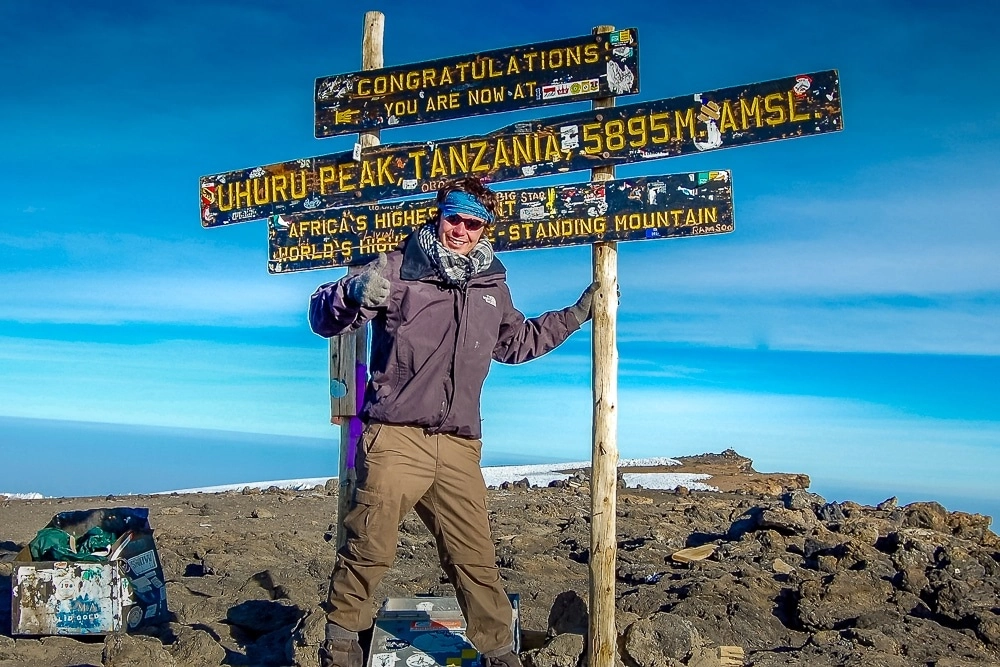
The final summit push to Uhuru Peak (5,895m) usually begins around midnight. Climbers move slowly in the dark, guided by headlamps, as they make their way up steep volcanic slopes in freezing temperatures.
Reaching the summit at sunrise is one of the most powerful moments in any Mount Kilimanjaro climb. The view from the “Roof of Africa” offers breathtaking scenery above the clouds and a deep emotional sense of achievement after days of trekking.
Final Thoughts on Kilimanjaro Trekking
Climbing Mount Kilimanjaro is more than just a hiking trip—it is a life-changing adventure and one of the best trekking experiences in Africa. It challenges your physical endurance, builds mental strength, and rewards you with unforgettable memories.
With proper planning, preparation, and an experienced guide, almost any determined hiker can successfully reach the summit and experience one of the greatest trekking adventures in the world.